


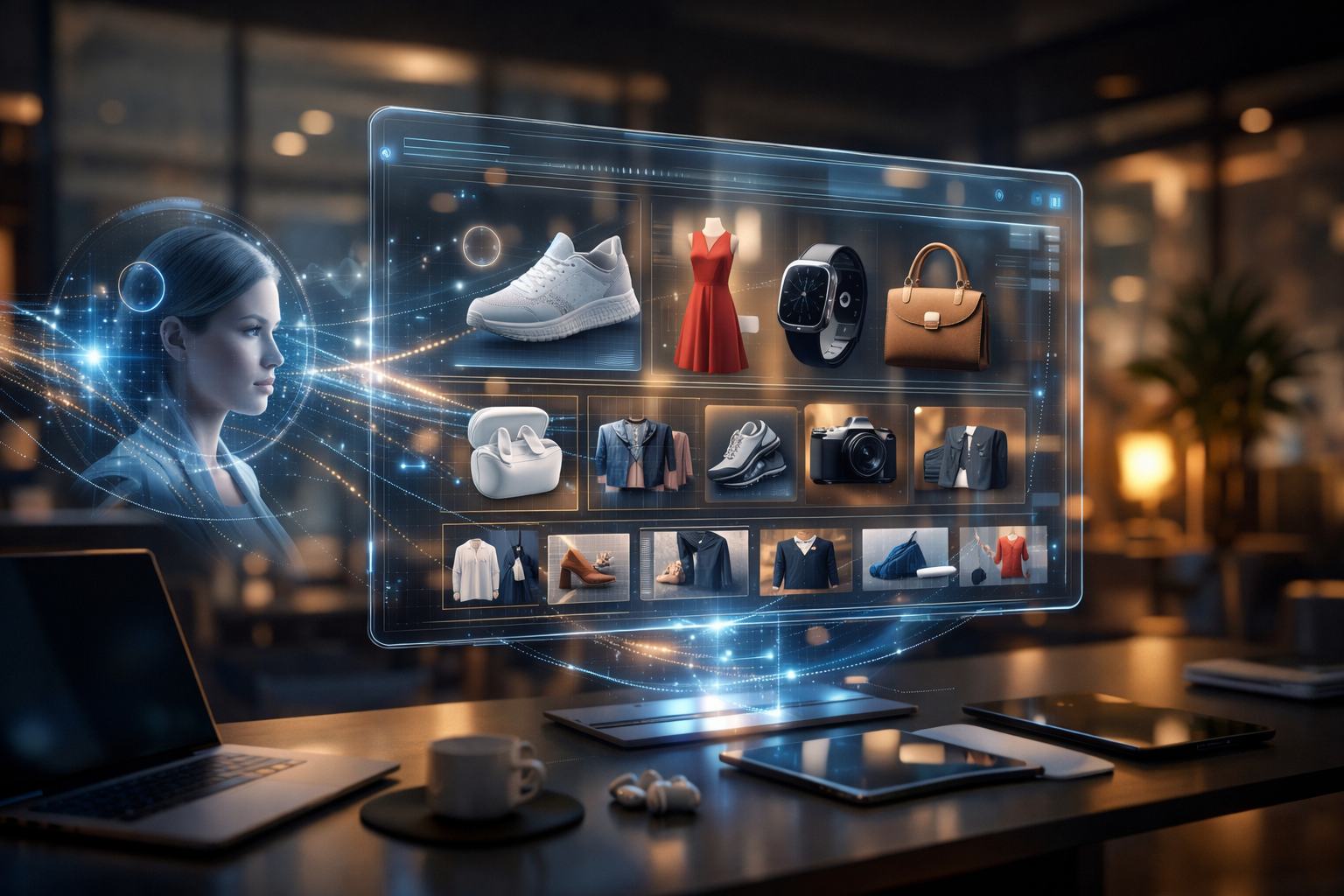
AI-Powered Personalization in E-Commerce
Online shoppers expect a faster, more relevant experience now. They do not want to scroll through products that have nothing to do with their needs. This is where AI-powered personalization is becoming useful for e-commerce brands. By studying browsing behavior, past purchases, search history, and product interests, AI helps online stores show better recommendations to each customer. For a fashion store in Pakistan, that could mean suggesting matching items based on someone’s previous order. For a beauty or electronics brand in the UAE, it could mean showing products based on budget, location, or buying intent.
Why This Insight Matters
Personalization is not just about showing “recommended products.” It affects how customers feel while shopping. When a website understands what a buyer is looking for, the experience feels easier and more relevant. Customers find products faster, spend more time on the store, and are more likely to return. For e-commerce teams, this also changes how digital work is planned. Product pages, ads, emails, offers, and website journeys should all feel connected. A customer should not see one message on an ad and a completely different experience on the website.
How Brands Can Apply It
Good personalization starts with one simple question: what does the customer need at this stage? A clothing brand can recommend sizes, colors, or related styles. A grocery store can show repeat purchase items. A skincare brand can suggest products based on skin type or previous buying behavior. The key is to keep it helpful, not pushy. Customers can quickly tell when a brand is trying too hard to sell. Personalization works better when it feels like guidance. Teams should also test what performs best. Product recommendations, homepage sections, email offers, abandoned cart messages, and retargeting ads can all be improved by studying real customer behavior.
What Teams Should Measure
Sales matter, but they are not the only sign of success. E-commerce teams should also track click-through rates, product page visits, cart additions, repeat purchases, average order value, customer feedback, and return customer behavior. These signals show whether personalization is making the shopping journey smoother or just adding more noise. The better the data, the easier it becomes to improve offers, content, and product recommendations.
Conclusion
AI-powered personalization can help e-commerce brands create a better shopping experience when it is used with clear intent. For brands in Pakistan and the UAE, the opportunity is not just to show more products. It is to show the right products, at the right time, in a way that feels useful to the customer. When personalization supports the brand promise and improves the buying journey, it can lead to stronger engagement, better conversions, and long-term customer loyalty. We hope that this article helped you understand the current situation with E-Commerce in greater detail.